Indications
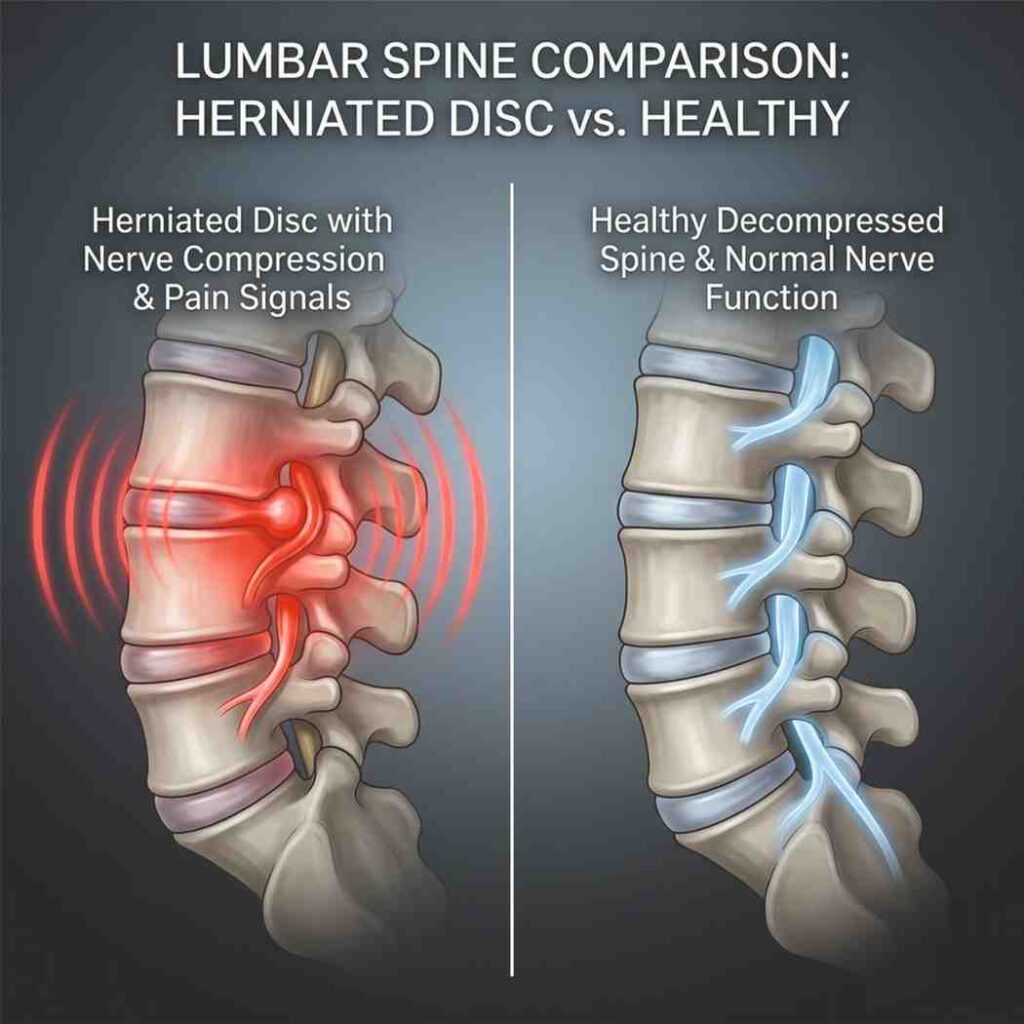
Spine surgery is considered in patients who continue to experience persistent back or neck pain that interferes with daily activities and does not respond to conservative treatment such as medications, physiotherapy, and lifestyle modifications. It is especially recommended when symptoms are associated with nerve compression, spinal instability, or structural deformities.
Common conditions where surgical intervention may be required include:
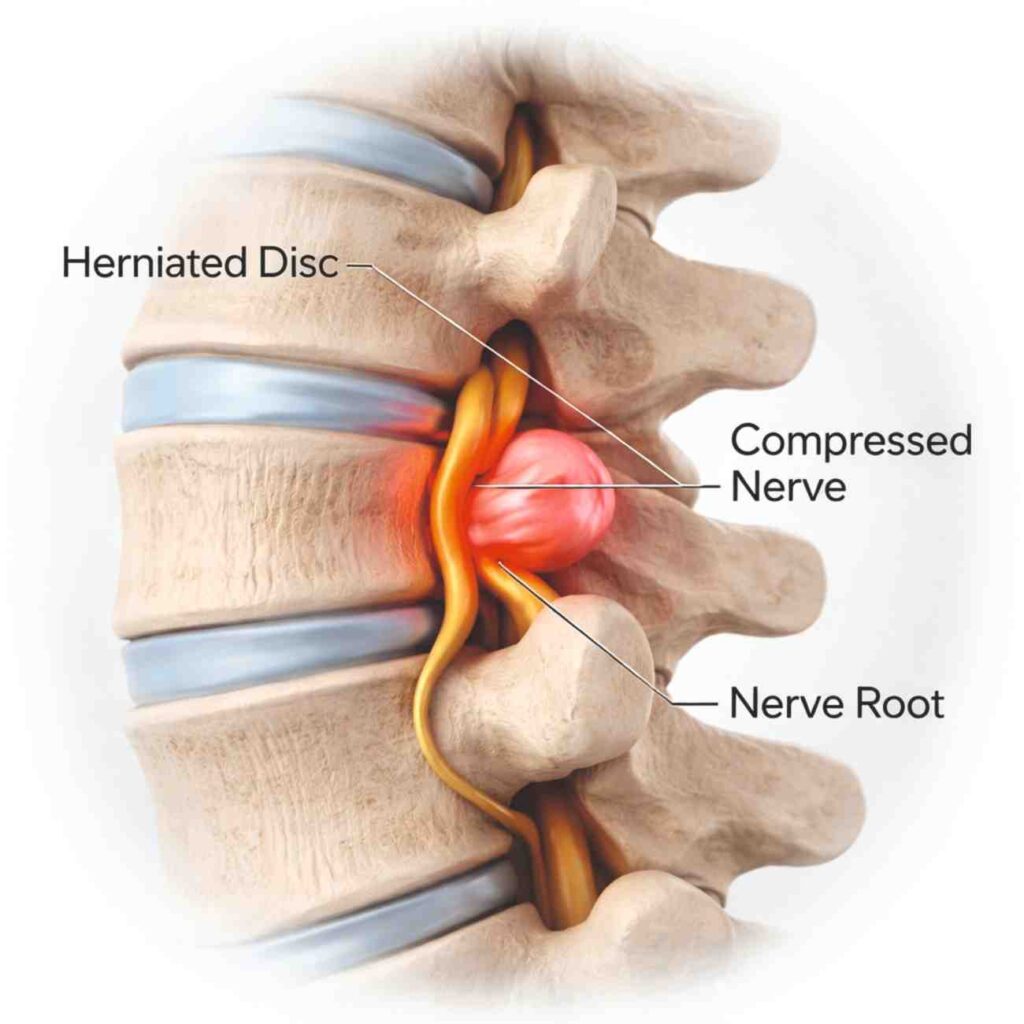
- Herniated (slipped) disc, causing pressure on spinal nerves
- Spinal stenosis, where narrowing of the spinal canal leads to nerve compression
- Spondylolisthesis, involving abnormal slippage of one vertebra over another
- Degenerative disc disease, resulting in chronic pain and reduced flexibility
- Spinal fractures due to trauma or osteoporosis
- Chronic sciatica, with pain radiating to the legs
Surgery is usually advised when non-surgical treatments fail to provide lasting relief or when neurological symptoms such as numbness, tingling, or muscle weakness begin to progress. Early intervention in such cases helps prevent further nerve damage and improves long-term outcomes.
Technique
The choice of surgical technique depends on the underlying spinal condition, severity of symptoms, and overall health of the patient. Modern spine surgery focuses on precision, safety, and faster recovery.
Broadly, procedures are divided into:
- Decompression procedures, such as laminectomy and discectomy, where the primary goal is to relieve pressure on the spinal cord or nerve roots by removing the offending structures
- Stabilization procedures, such as spinal fusion, which are performed to restore stability in cases of abnormal movement or deformity
The surgery may be performed using:
- Posterior approach (from the back)
- Anterior approach (from the front)
- In selected cases, minimally invasive techniques using smaller incisions
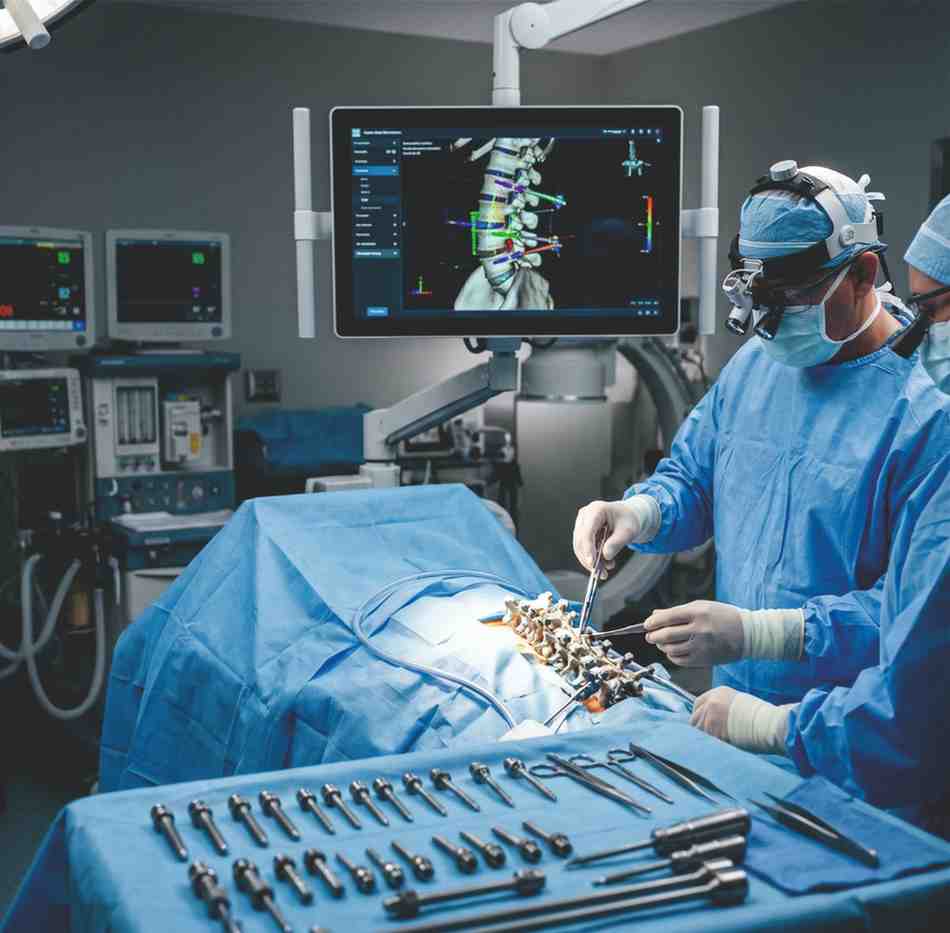
During stabilization procedures, advanced implants such as pedicle screws, rods, and bone grafts are used to support and fuse the affected vertebrae. These techniques help maintain proper spinal alignment and promote long-term stability.
Careful surgical planning and the use of modern instrumentation allow for accurate decompression of nerves while minimizing damage to surrounding tissues.
Objective
The primary objective of spine surgery is to address the root cause of pain and functional limitation rather than just managing symptoms.
Key goals include:
- Relieving pressure on compressed nerves, thereby reducing pain, numbness, and weakness
- Restoring spinal stability, especially in cases of deformity or vertebral slippage
- Improving mobility and posture, enabling patients to return to normal activities
- Preventing further neurological deterioration
- Enhancing overall quality of life by allowing pain-free movement
With appropriate patient selection, precise surgical technique, and structured rehabilitation, spine surgery can provide significant and long-lasting relief, helping patients regain independence and confidence in their daily lives.

Spine Surgery in Hisar
Advanced Care for a Pain-Free Spine
Spine surgery is recommended for patients suffering from persistent back or neck pain caused by disc problems, nerve compression, or spinal instability. When medications, physiotherapy, and lifestyle changes fail to provide lasting relief, surgical treatment can help restore comfort, mobility, and overall quality of life.
🔹 What is Spine Surgery?
Spine surgery involves treating conditions affecting the backbone, discs, or nerves. It is usually considered when there is continuous pain, numbness, weakness, or difficulty in movement due to pressure on spinal nerves. The goal of surgery is to relieve nerve compression, stabilize the spine, and improve daily function.
🔹 Conditions Treated with Spine Surgery
- Herniated or slipped disc
- Sciatica (radiating leg pain)
- Spinal stenosis (narrowing of the spinal canal)
- Degenerative disc disease
- Spine injuries or fractures
- Chronic back or neck pain affecting routine activities
The decision for surgery is made after proper clinical evaluation and imaging studies.
🔹 Types of Spine Surgery
Discectomy
Removal of the portion of a damaged disc that is pressing on a nerve, helping relieve pain and nerve symptoms.
Laminectomy
A procedure in which a part of the bone (lamina) is removed to create more space for the spinal cord and nerves.
Spinal Fusion
Two or more vertebrae are permanently joined to provide stability and reduce pain caused by movement.
Minimally Invasive Spine Surgery
Advanced techniques using smaller incisions, resulting in less pain and quicker recovery.
The choice of procedure depends on the specific condition, severity, and patient’s overall health.
🔹 Recovery and Rehabilitation
Hospital stay usually ranges from 2–4 days, depending on the type of surgery. Patients are encouraged to start gentle movements early under guidance. Recovery time varies, but most individuals gradually return to normal activities within a few weeks with proper physiotherapy and precautions.
🔹 Benefits of Spine Surgery
- Relief from chronic back or neck pain
- Reduction in nerve-related symptoms like numbness or weakness
- Improved mobility and posture
- Better ability to perform daily tasks
- Enhanced overall quality of life
1. When is spine surgery necessary?
Spine surgery is usually recommended when non-surgical treatments like medicines, physiotherapy, and rest do not provide relief. It is considered in cases of severe pain, nerve compression, weakness, or difficulty in daily activities.
2. Is spine surgery safe?
Yes, spine surgery is generally safe when performed by an experienced surgeon with proper diagnosis and planning. Modern techniques and equipment have significantly improved safety and outcomes.
3. How long does it take to recover from spine surgery?
Recovery depends on the type of surgery and the patient’s condition. Many patients start light activities within a few weeks, while full recovery may take a few months with proper rehabilitation.
4. Will I be able to walk after spine surgery?
Yes, in most cases patients are encouraged to start walking early, often within a day or two after surgery, depending on the procedure and doctor’s advice.
5. Is spine surgery very painful?
Pain is usually well managed with medications after surgery. In fact, the main goal of spine surgery is to relieve the long-standing pain caused by nerve compression or spinal problems.
6. What precautions should I take after spine surgery?
Patients should avoid heavy lifting, sudden bending or twisting movements, and follow physiotherapy guidelines. Regular follow-up with the doctor is important for proper healing and long-term results.