Orthopedic Trauma
Intramedullary (IM) Nailing of Long Bones
Indications:
Intramedullary (IM) nailing is a widely used surgical technique for the management of fractures involving the shaft (diaphysis) of long bones such as the femur, tibia, and humerus. These fractures are commonly seen following road traffic accidents, falls, or high-impact injuries.
IM nailing is particularly indicated in displaced, unstable, or comminuted fractures where conservative treatment may not provide adequate alignment or stability. It is also preferred in cases where early mobilization is important, such as in active individuals or patients at risk of complications from prolonged immobilization.
In addition, this technique is useful in managing certain pathological fractures and fractures with minimal soft tissue damage, where preserving the biological environment of healing is crucial.
Technique:
The procedure is performed under sterile operating conditions using fluoroscopic guidance (C-arm imaging) to ensure accurate alignment. A minimally invasive “closed reduction” technique is generally preferred, where the fracture is aligned externally without opening the fracture site, thereby preserving the surrounding soft tissues and blood supply.
A small entry point is created at the end of the bone, and a guide wire is carefully passed through the medullary canal across the fracture site. Sequential reaming may be performed to prepare the canal for nail insertion.
A pre-selected intramedullary nail, made of titanium or stainless steel, is then inserted into the canal to span the fracture. The nail is secured in position using interlocking screws placed at both proximal and distal ends. These screws prevent rotational and axial movement, ensuring stable fixation of the fracture.
Proper alignment, length, and rotation of the limb are confirmed before closure.
Objective:
The primary objective of intramedullary nailing is to provide strong internal stabilization of the fractured bone while allowing early mobilization and, in many cases, early weight-bearing.
By preserving the fracture hematoma and minimizing soft tissue disruption, this technique supports natural biological healing. It also helps maintain proper bone alignment and reduces the risk of complications such as malunion or delayed union.
Overall, IM nailing enables faster recovery, improved functional outcomes, and an earlier return to daily activities.
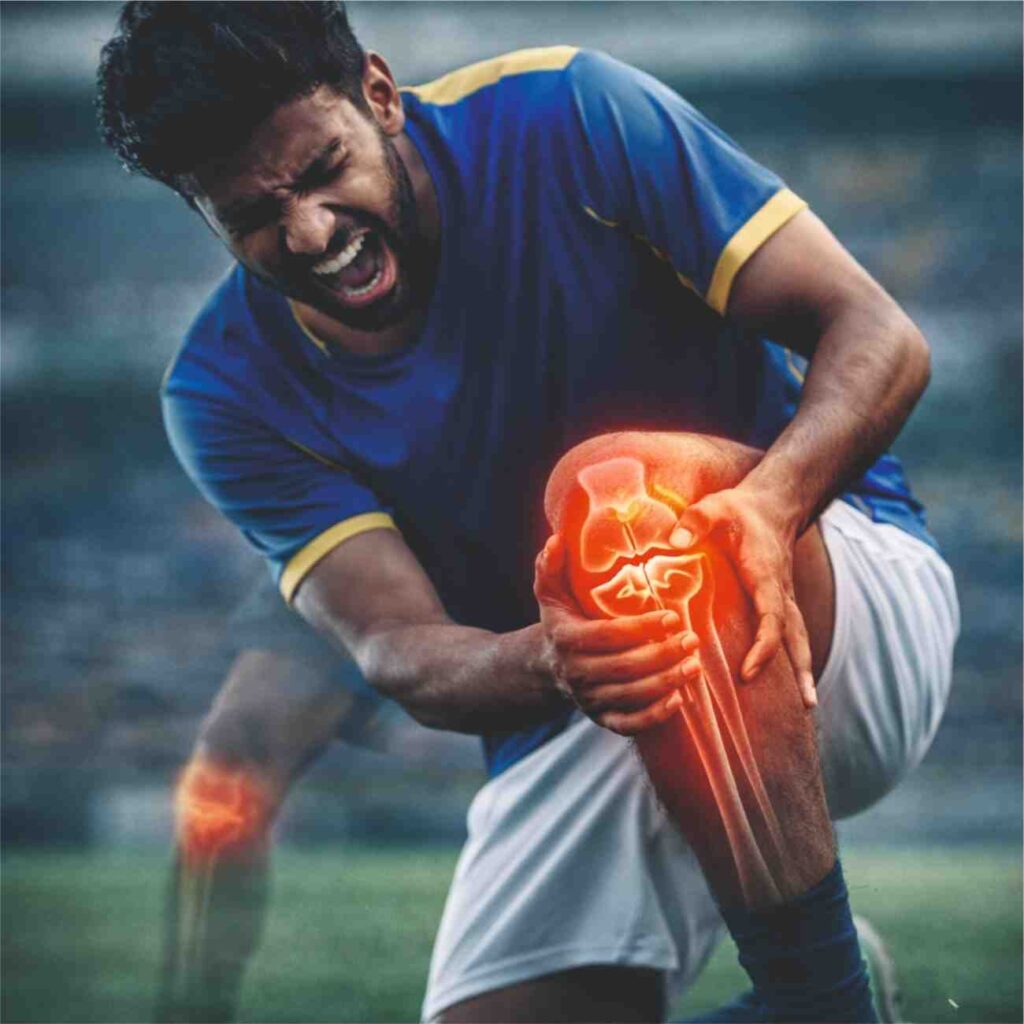
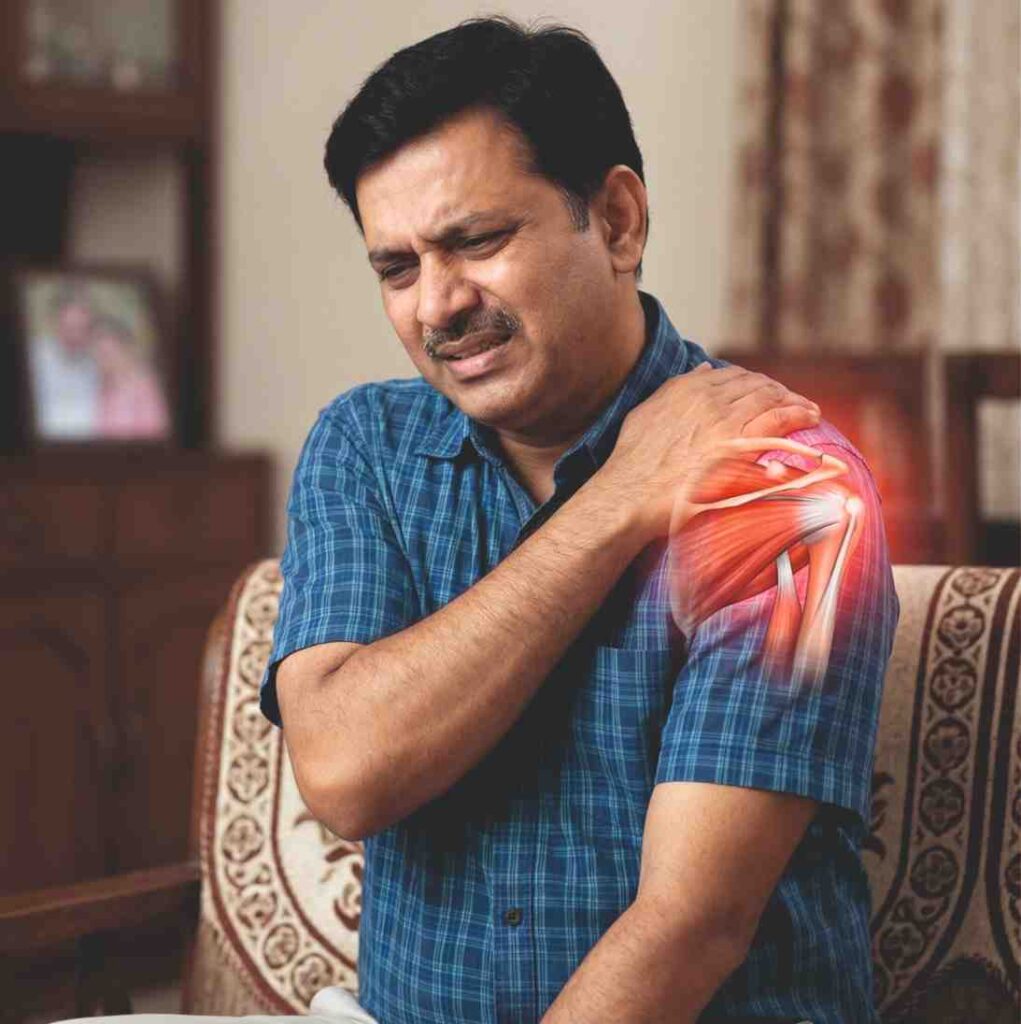
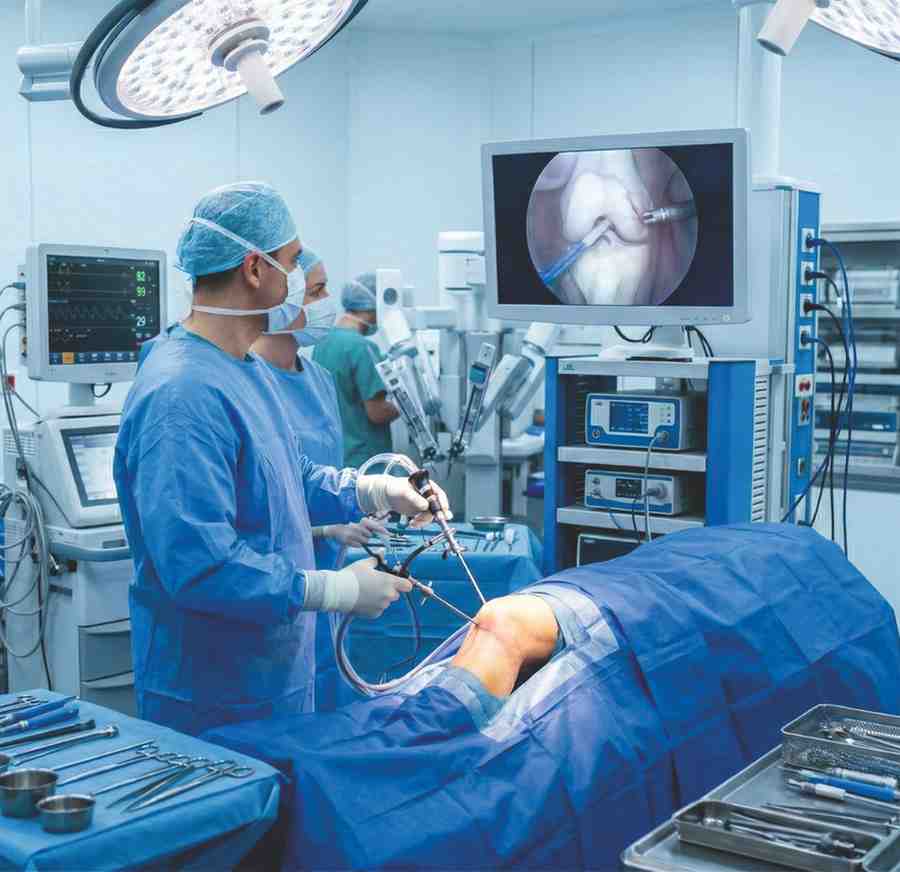

Advanced Care for Fractures & Injury Recovery
Orthopedic trauma care focuses on the treatment of bone fractures, joint injuries, and accidents that affect movement and daily life. Whether caused by road accidents, falls, or sports injuries, timely and proper treatment is essential for complete recovery and preventing long-term complications.
When fractures are severe or unstable, surgical treatment becomes necessary to restore proper alignment, stability, and function of the injured bone.
🔹 What is Orthopedic Trauma Care?
Orthopedic trauma involves the diagnosis and treatment of injuries to bones, joints, and surrounding soft tissues such as ligaments and muscles.
It includes both non-surgical and surgical treatments depending on the type and severity of the injury. While minor fractures can heal with casting or bracing, complex fractures often require surgical fixation for proper healing.
🔹 Types of Orthopedic Trauma Treatment
Fracture Fixation Surgery
Used for displaced or unstable fractures, where bones are aligned and fixed using plates, screws, or rods to ensure proper healing.
Intramedullary (IM) Nailing
A minimally invasive procedure where a metal rod is inserted inside the bone to stabilize long bone fractures like femur or tibia.
Joint Injury Management
Treatment for ligament injuries, dislocations, and joint damage to restore stability and movement.
The choice of treatment depends on the type of injury, location, patient age, and overall health condition.
🔹 Recovery and Rehabilitation
Recovery varies depending on the severity of the injury. Many patients may require a short hospital stay, especially after surgery.
Early movement is encouraged in most cases to prevent stiffness and improve healing. Physiotherapy plays an important role in restoring strength, flexibility, and function.
Most patients gradually return to normal daily activities within a few weeks to a few months.
🔹 Benefits of Proper Trauma Care
- Faster and more effective fracture healing
- Restoration of normal bone alignment
- Improved mobility and joint function
- Reduced risk of long-term complications
- Early return to daily activities and work
1. What types of fractures are treated with IM nailing?
IM nailing is commonly used for shaft fractures of long bones like the femur, tibia, and humerus. It is especially useful in unstable or displaced fractures.
2. Is IM nailing a major surgery?
It is a surgical procedure but usually performed using minimally invasive techniques. This helps reduce tissue damage and supports faster recovery.
3. When can I start walking after IM nailing?
In many cases, partial weight-bearing can begin early, depending on the bone involved and fracture stability. Full weight-bearing is guided by healing progress.
4. Will the rod (nail) stay in the bone permanently?
The nail can remain in place permanently if there are no issues. In some cases, it may be removed after complete healing if required.
5. How long does it take for the fracture to heal?
Healing usually takes a few months, depending on the severity of the fracture and patient factors like age and health.
6. What are the advantages of IM nailing over plaster or casting?
IM nailing provides better stability, allows earlier movement, and reduces the chances of improper bone alignment compared to conservative treatment.