Total Hip Arthroplasty (THA) – Complete Hip Replacement Surgery
Total Hip Arthroplasty (THA), commonly known as hip replacement surgery, is a highly effective orthopedic procedure performed to relieve chronic hip pain and restore joint function in patients with severe hip damage. It is considered one of the most successful surgeries in modern medicine, especially when conservative treatments no longer provide relief.
Indications (When is THA recommended?)
Total hip replacement is typically advised when non-surgical treatments such as medications, physiotherapy, and injections fail to improve symptoms. Common indications include:
- Avascular Necrosis (AVN): A condition where the blood supply to the femoral head is disrupted, leading to bone collapse
- Hip Dysplasia: Abnormal development of the hip joint causing instability and early degeneration
- Severe Coxarthrosis (Hip Osteoarthritis): Advanced cartilage wear resulting in painful bone-on-bone contact
- Persistent hip pain affecting daily activities such as walking, sitting, and climbing stairs
- Reduced mobility and stiffness impacting quality of life
Surgical Technique (How is the procedure performed?)
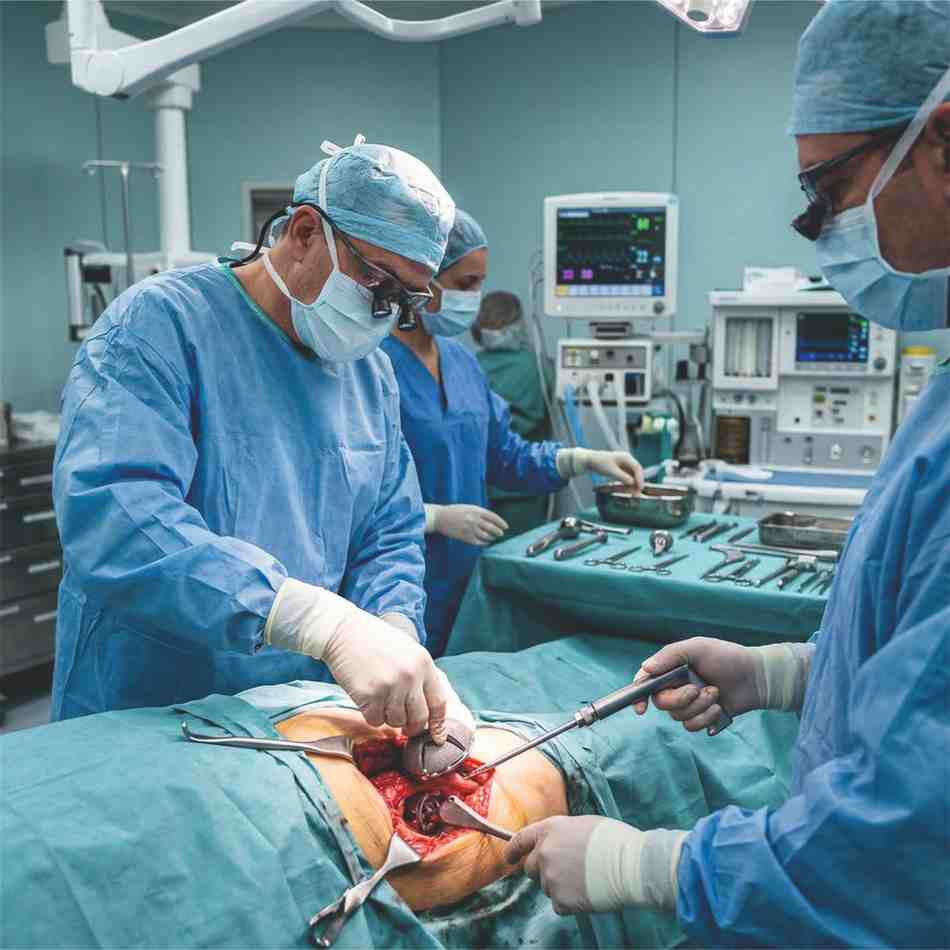
Total Hip Arthroplasty is a precise and well-structured surgical procedure performed under strict aseptic conditions. The surgeon may choose one of the following approaches depending on the patient’s condition:
- Anterior Approach (from the front)
- Lateral Approach (from the side)
- Posterior Approach (from the back)
Key steps of the procedure include:
- Careful osteotomy (cutting) of the femoral neck
- Removal of the damaged femoral head
- Preparation of the acetabulum (hip socket) by reaming it to healthy, bleeding bone
- Placement of a porous-coated titanium acetabular cup using a press-fit technique for stability
- Broaching of the femoral canal to accommodate a tapered femoral stem
- Assembly and alignment of prosthetic components to ensure smooth and stable joint movement
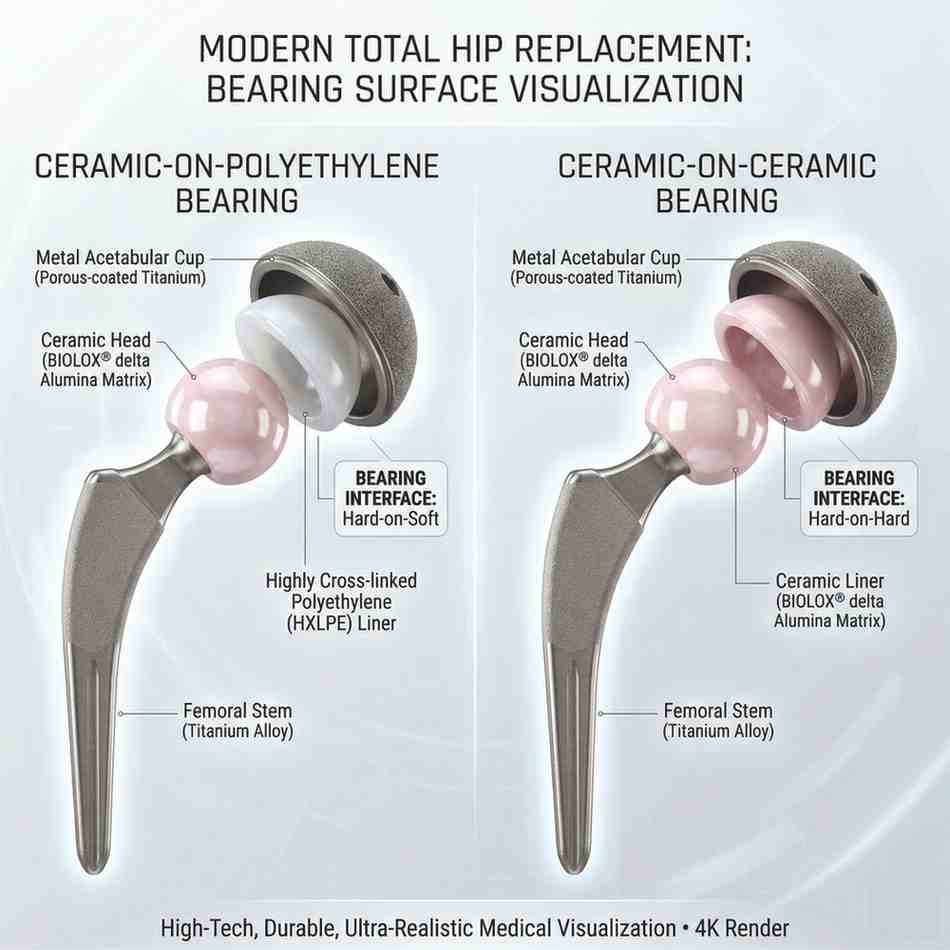
Bearing Surfaces (Implant Material Options)
The choice of bearing surface depends on the patient’s age, activity level, and long-term expectations:
- Ceramic-on-Polyethylene: A widely used, durable, and cost-effective option
- Ceramic-on-Ceramic: Preferred for younger, more active patients due to its extremely low wear rate
These materials are selected to:
- Minimize wear particles
- Reduce the risk of osteolysis (bone loss)
- Improve implant longevity and performance
Objective (Goals of the Surgery)
The primary goals of Total Hip Arthroplasty are:
- Complete relief from chronic hip pain
- Elimination of “start-up pain” experienced during initial movement
- Restoration of smooth and pain-free joint function
- Correction and maintenance of equal leg length
- Improvement in mobility and overall quality of life
Recovery and Expected Outcomes
Following a successful hip replacement surgery:
- Patients typically experience significant pain relief
- Mobility and joint flexibility improve gradually
- Daily activities such as walking, sitting, and climbing stairs become easier
- Most patients can return to an active and independent lifestyle
With proper rehabilitation, physiotherapy, and regular follow-up, hip implants can function effectively for many years.
Frequently Asked Questions (FAQs)
1. What is Total Hip Arthroplasty?
Total Hip Arthroplasty, also known as Total Hip Replacement, is a surgical procedure in which the damaged hip joint is replaced with artificial components made of metal, ceramic, and medical-grade plastic to restore smooth joint movement.
2. Who needs hip replacement surgery?
Hip replacement surgery is usually recommended for patients suffering from severe hip pain, stiffness, and limited mobility caused by conditions such as osteoarthritis, avascular necrosis, hip dysplasia, or joint damage from injury.
3. How long does hip replacement surgery take?
Total Hip Arthroplasty typically takes 60 to 120 minutes, depending on the complexity of the case and the surgical technique used.
4. How long does recovery take after hip replacement?
Most patients begin standing and walking with assistance within a day after surgery. Initial recovery generally takes 4–6 weeks, while full recovery and improved strength may take 3–6 months with proper physiotherapy.
5. How long does a hip replacement implant last?
Modern hip replacement implants are designed to last 15–25 years or more, depending on the patient’s lifestyle, body weight, and level of physical activity.
Hip Replacement Surgery in Hisar
Advanced Care for Pain-Free Movement
Hip replacement surgery helps patients suffering from severe hip pain due to arthritis, injury, or joint damage regain mobility and improve their quality of life. When medications, physiotherapy, and other treatments no longer provide relief, hip replacement becomes a reliable and long-term solution for restoring joint function and eliminating pain.
🔹 What is Hip Replacement Surgery?
Hip replacement, also known as Total Hip Arthroplasty (THA), is a procedure in which the damaged parts of the hip joint are replaced with artificial components. It is recommended when the cartilage wears out or the joint is severely damaged, leading to pain, stiffness, and difficulty in daily movements such as walking or sitting.
🔹 Conditions Treated with Hip Replacement
- Avascular Necrosis (AVN)
- Hip Osteoarthritis (Coxarthrosis)
- Hip Dysplasia
- Post-traumatic arthritis or fractures
- Chronic hip pain affecting daily life
The surgery is advised when these conditions significantly limit mobility and reduce quality of life.
🔹 Surgical Technique
Hip replacement is performed using advanced surgical techniques to ensure precision and faster recovery. Depending on the patient’s condition, the surgeon may use:
- Anterior Approach
- Lateral Approach
- Posterior Approach
During the procedure:
- The damaged femoral head is removed
- The hip socket is prepared and fitted with a durable implant
- A femoral stem and artificial head are placed to restore smooth joint movement
Modern implants are designed to provide long-lasting performance and natural movement.
🔹 Types of Hip Replacement
Total Hip Replacement (THR)
The entire hip joint is replaced with artificial components. This is the most common and effective procedure for advanced joint damage.
Hip Hemi Arthroplasty
Only the damaged part of the hip joint is replaced. This is usually considered in specific cases such as certain fractures.
The choice of procedure depends on the patient’s age, bone condition, activity level, and overall health.
🔹 Recovery and Rehabilitation
Most patients stay in the hospital for 3–5 days after surgery. Walking usually begins within a day with support. Gradual improvement is seen over the next few weeks, and with proper physiotherapy, patients can return to normal daily activities within 4–6 weeks.
🔹 Benefits of Hip Replacement
- Significant and long-lasting pain relief
- Improved mobility and joint function
- Better balance and stability
- Enhanced quality of life
- Ability to perform daily activities with ease