1. Joint Replacement & Reconstruction (Arthroplasty)
Focuses on relieving chronic pain and restoring mobility caused by advanced arthritis or joint damage.
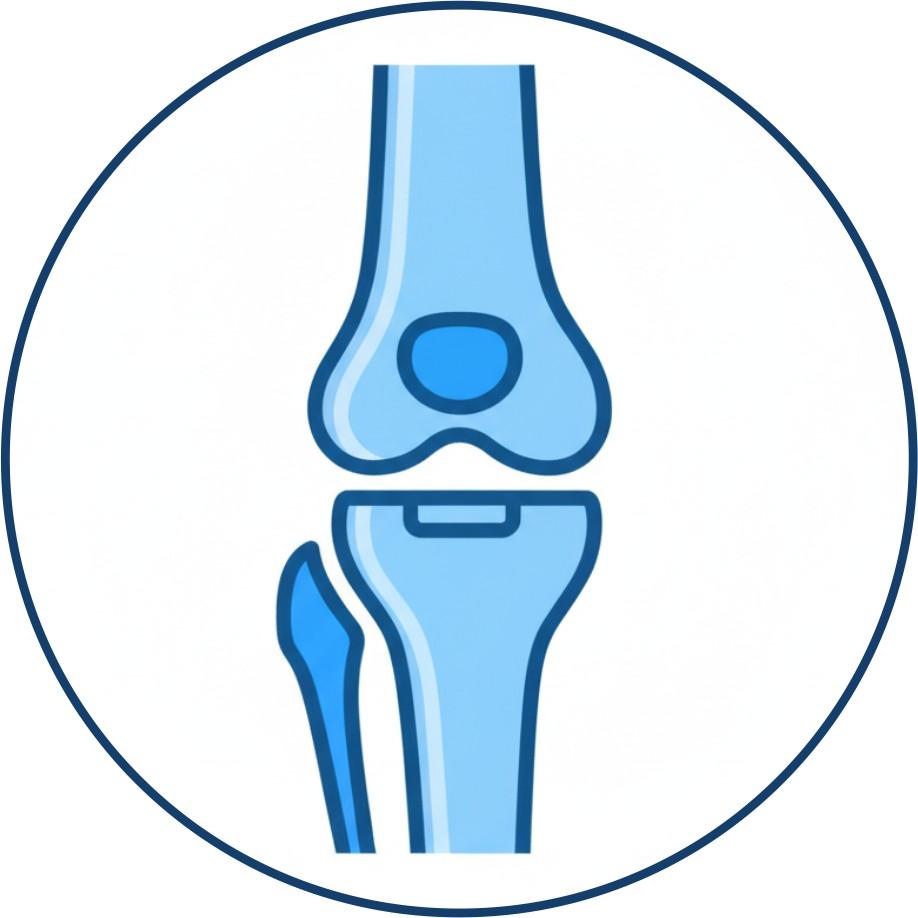
* Total Knee Replacement (TKR): Replacing a damaged knee joint with metal and polyethylene components to restore function.
* Total Hip Replacement (THR): Removing damaged bone and cartilage from the hip socket and femur, replaced with prosthetic implants.
* Partial Knee Replacement (Unicompartmental): A less invasive procedure for patients whose arthritis is limited to only one compartment of the knee.
* Revision Surgery: Replacing or fixing a previously implanted artificial joint that has worn out or failed.
2. Sports Medicine & Arthroscopy
Minimally invasive “keyhole” surgeries used to treat ligament, tendon, and cartilage injuries.
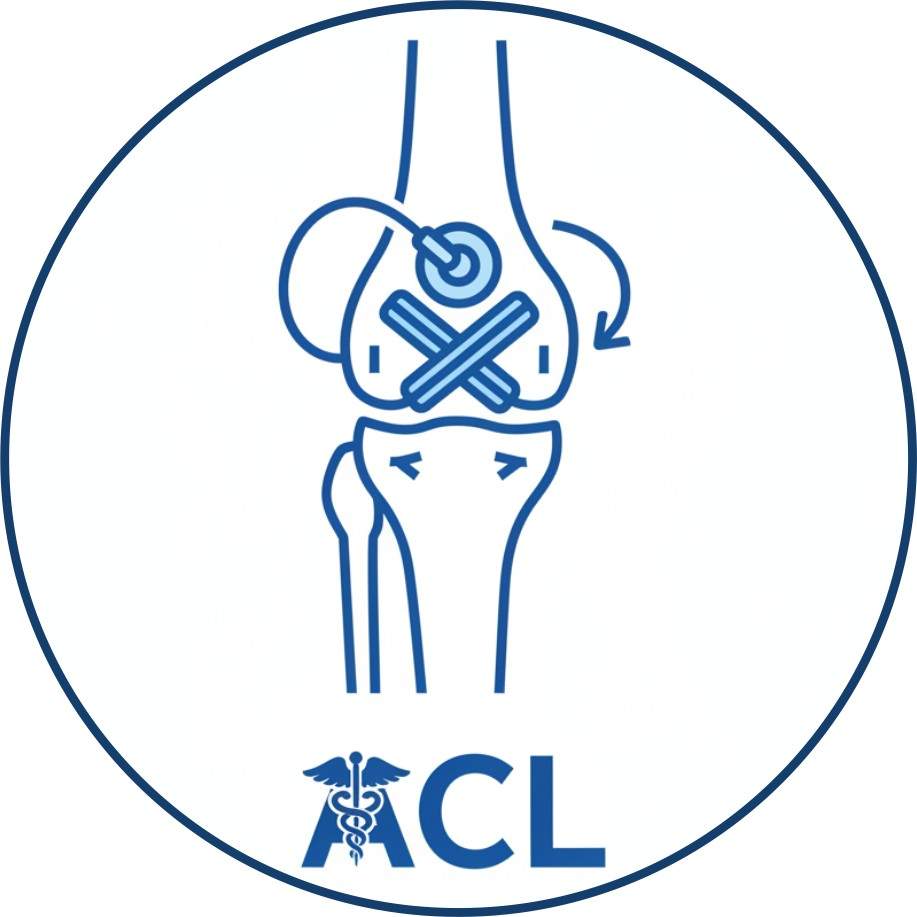
* ACL Reconstruction: Replacing a torn Anterior Cruciate Ligament in the knee using a graft (autograft or allograft).
* Meniscus Repair/Meniscectomy: Trimming or suturing the fibrocartilage “shock absorbers” in the knee.
* Rotator Cuff Repair: Reattaching torn tendons in the shoulder to the humerus bone.
* Shoulder Labrum Repair: Stabilizing the shoulder joint after a tear or dislocation (Bankart or SLAP repair).
3. Hand, Wrist, & Upper Extremity
Treating conditions affecting the delicate structures from the shoulder to the fingertips.
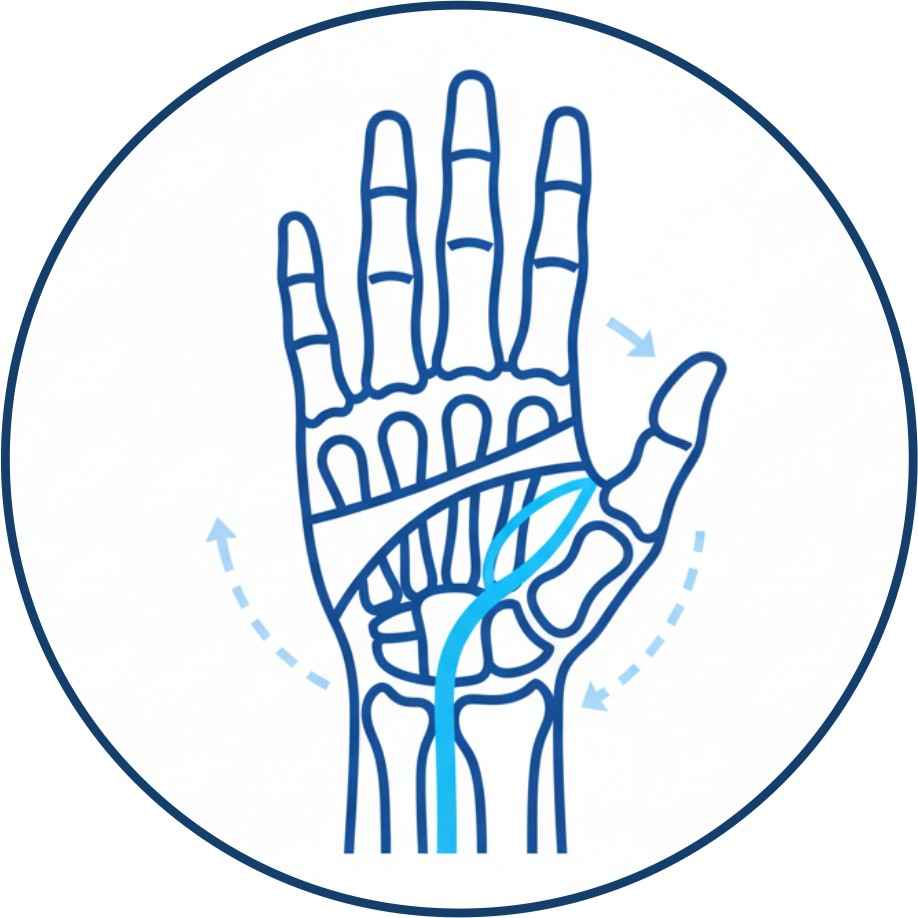
* Carpal Tunnel Release: Relieving pressure on the median nerve to treat numbness and pain in the hand.
* Trigger Finger Release: Widening the tendon sheath to allow smooth movement of the finger.
* Distal Radius Fracture Fixation: Using plates and screws to realign a broken wrist.
4. Foot & Ankle Surgery
Correcting structural deformities and treating injuries resulting from high-impact activity.
* Bunionectomy: Realigning the big toe joint and removing the bony bump (hallux valgus).
* Ankle Fusion or Replacement: Treating end-stage ankle arthritis to reduce pain.
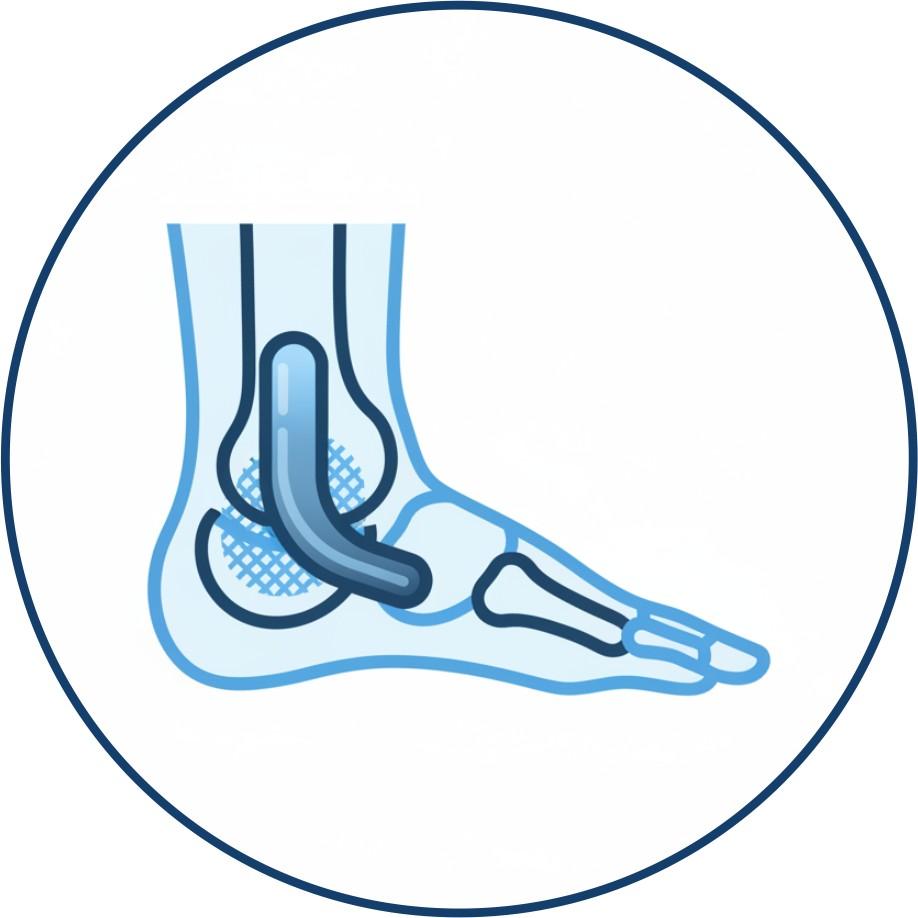
* Achilles Tendon Repair: Reconnecting a ruptured Achilles tendon to restore calf strength.
5. Orthopedic Trauma & Fracture Care
Immediate surgical intervention for acute injuries and complex bone breaks.
* ORIF (Open Reduction Internal Fixation): Using plates, screws, or rods to stabilize fractured bones.
* Intramedullary Nailing: Inserting a metal rod into the hollow center of a long bone (like the femur or tibia) to hold a fracture in place.
* Non-Union/Mal-Union Surgery: Correcting bones that have failed to heal or have healed in a crooked position.
6. Robotic-Assisted Surgery Unit
Overview: Robotic technology does not replace the surgeon; rather, it acts as a high-precision extension of the surgeon’s hands. Using advanced 3D mapping and haptic feedback, robotic systems allow for bone preparation that is accurate within fractions of a millimeter.
Robotic Total Knee & Hip Arthroplasty
* The Technology: Systems like Mako or ROSA use a pre-operative CT scan or intra-operative mapping to create a 3D virtual model of the patient’s unique anatomy.
* The Procedure: The surgeon uses a robotic arm to perform bone cuts. The software creates “virtual boundaries,” preventing the surgical tool from moving outside the planned area. This protects surrounding ligaments and soft tissues.
* Detailed Benefits:
* Sub-millimeter Precision: Ensures the implant is aligned perfectly with the patient’s mechanical axis.
* Ligament Balancing: The software allows the surgeon to simulate joint tension before making any cuts, ensuring the knee feels “natural” throughout its range of motion.
* Longevity: Better alignment typically leads to less wear on the prosthetic over time
7. Minimally Invasive Surgery (MIS) Unit
Overview: The philosophy of MIS is “muscle-sparing.” Instead of large traditional incisions that require cutting through major muscle groups, MIS utilizes specialized instruments and natural tissue planes to access the joint.
Direct Anterior Approach (DAA) Hip Replacement
* The Procedure: The surgeon accesses the hip joint from the front of the leg. Unlike the posterior approach, the muscles (tensor fasciae latae and sartorius) are simply pushed aside rather than detached from the femur.
* Detailed Benefits:
* No “Hip Precautions”: Because the posterior stabilizers are left intact, patients often have a much lower risk of dislocation and don’t need to follow strict movement restrictions after surgery.
* Faster Early Recovery: Patients typically discard walkers or canes sooner than with traditional approaches.
Arthroscopic Shoulder & Knee Decompression
* The Procedure: Using “keyhole” incisions (approx. 5–10mm), the surgeon inserts a high-definition camera and micro-instruments.
* Detailed Benefits:
* Reduced Blood Loss: Minimal disruption to the skin and vascular structures.
* Lower Infection Risk: Smaller wounds heal faster and are less exposed to environmental contaminants.
* Outpatient Nature: Most MIS procedures allow patients to return home the same day.