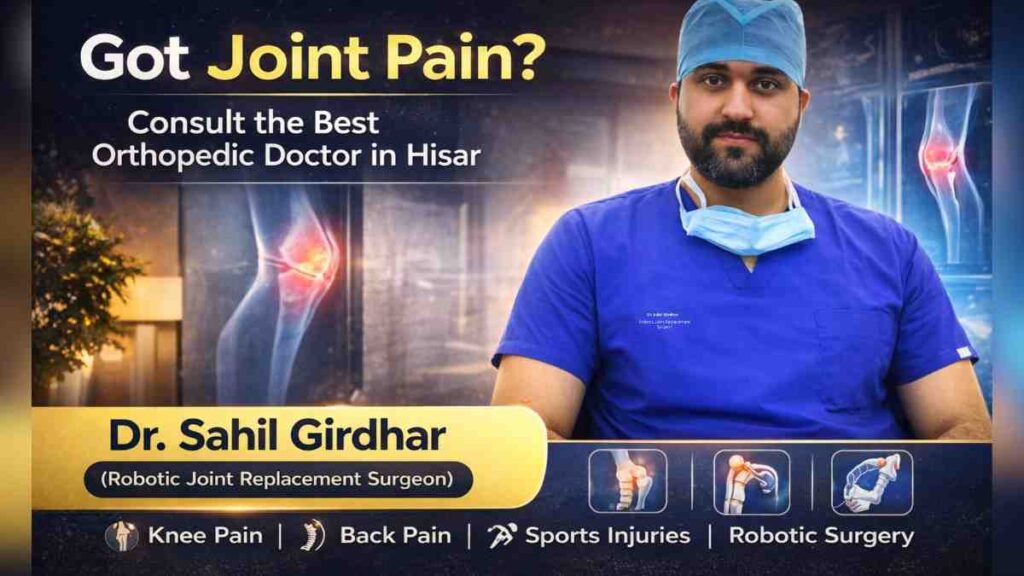
Best Orthopedic Doctor in Hisar | Knee Pain & Joint Replacement Specialist
Knee pain, stiff joints, nagging injuries—pretty common stuff these days, honestly. With everyone stuck behind a desk or glued to their phone, it’s no wonder our bodies are starting to push back. But if you think you can just ignore the pain and power through, it usually doesn’t end well.
That’s where finding the best orthopedic doctor in Hisar really makes a difference. The right specialist doesn’t just treat the pain—they help you understand what’s going on and get you back to feeling normal again.
If you’re in Hisar and looking for real answers, Dr. Sahil Girdhar at Jindal Hospital has been helping people get back on their feet for years. And honestly, the sooner you get it checked, the faster your recovery will be. Don’t let pain take control of your life.
How Joint Issues Creep In
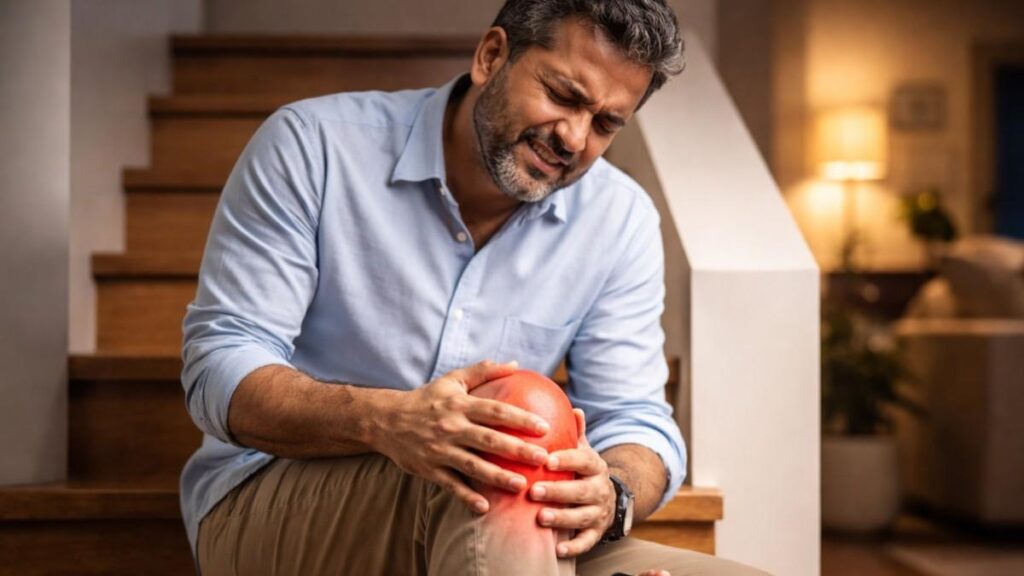
Let’s cut to it: chronic pain isn’t just about hurting, it grinds your whole life to a halt. Maybe stairs are suddenly a huge effort, or sitting for a short meeting leaves you squirming. You start limping, or just dragging yourself around. Ignoring these little red flags? Not a good plan—small problems can turn into a total mess if you let them go.
What An Orthopedic Doctor Does
Dr. Sahil Girdhar goes way beyond cracked bones. He treats everything from the annoying aches that won’t quit to full-on injuries that land you off your feet. Here’s what he sees all the time:
– Knee pain and arthritis: Wear-and-tear or an injury—catch it early and you could dodge surgery altogether.
– Back pain: Posture is usually the villain here, plus all that sitting.
– Fractures and trauma: Get the right treatment, heal right, and you set yourself up for fewer problems later.
– Sports injuries: Ligament tears, strains, wobbly joints—he’s got all that covered.
– Stiffness and mobility issues: This one creeps up as we age or move less.
Why Getting Diagnosed Matters
Painkillers, hot packs, a bit of wishful thinking—they might get you through the day, but they aren’t solving anything. Only a proper orthopedic exam with scans, if needed, will nail down the true cause. That’s how you fix the problem, not just slap a Band-Aid over it.
What Treatment Looks Like In Hisar
The good news? Most joint issues don’t mean surgery right away. Dr. Girdhar’s plan usually starts with:
– Non-surgical treatments: Medication, physio, sorting out your posture, and controlling your weight—all these seriously help.
– Surgery, when it’s needed: If your joint is really done for, there are advanced surgeries—arthroscopy, fracture repairs, even full knee or hip replacements. Robotic surgeries are an option too. They’re super precise and you recover faster.

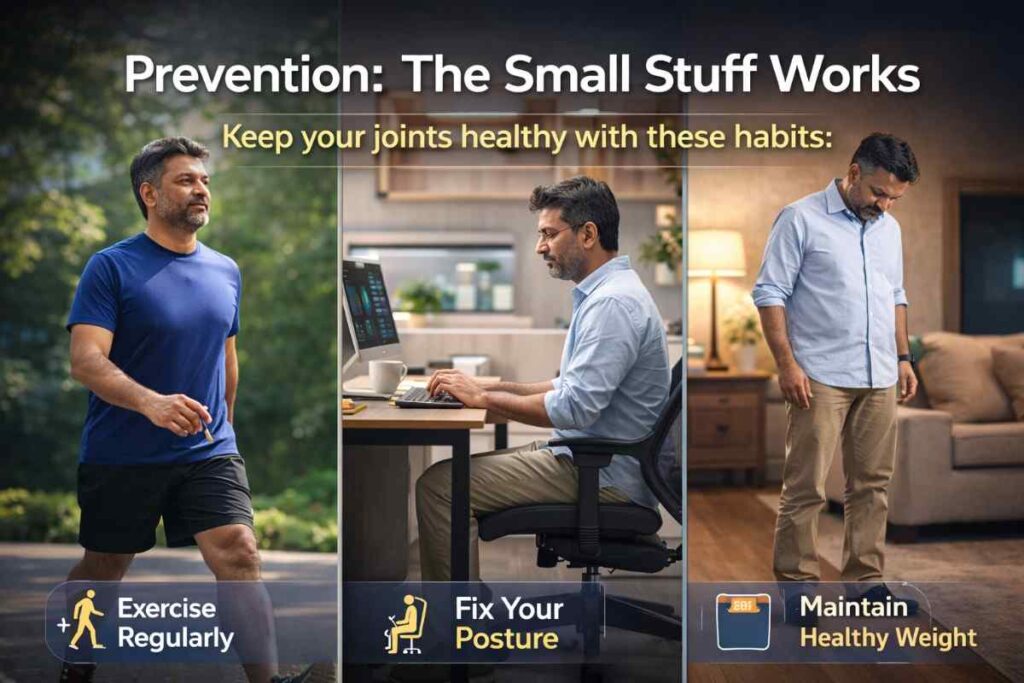
Prevention: The Small Stuff Works
Want to keep your joints happy? Move your body, fix your posture, keep your weight steady, and don’t sit around all day if you can help it. It’s simple stuff, but it adds up to a lot over the years.
Why You Shouldn’t Wait
Pain never fixes itself. Get in to see a doctor soon and you’ll heal faster, hurt less, and probably avoid surgery down the road. Your future self will be glad you did.
Orthopedic Care at Jindal Hospital, Hisar
Dr. Sahil Girdhar has a reputation in Hisar for robotic joint replacements, trauma care, and helping athletes get back in the game. He really listens, so it feels like he’s treating you—not just “another patient.”
Conclusion
Orthopedic problems should never be ignored. Whether the pain is mild or severe, getting timely treatment is essential—because even a small issue can turn into a serious problem if left untreated.
If you’re looking for the best orthopedic doctor in Hisar, choose a specialist who not only treats the pain but understands the root cause and provides long-term relief.
Frequently Asked Questions
1. Who is the best orthopedic doctor in Hisar?
There are a few good orthopedic doctors in Hisar, but many patients often recommend Dr. Sahil Girdhar, Jindal Hospital Hisar. especially for knee and joint problems. What people like is that he explains things clearly and doesn’t suggest unnecessary treatments.
2. When should I see an orthopedic doctor?
A simple way to look at it—if the pain isn’t going away or it’s starting to affect your daily routine, don’t wait too long. Getting it checked early usually makes treatment much easier.
3. Can knee pain be treated without surgery?
Yes, in many cases it can. A lot of people get relief with medicines, exercises, and small lifestyle changes. Surgery is usually only considered when the problem becomes more serious.
4. What is robotic knee replacement?
It’s basically an advanced version of knee replacement surgery. With robotic assistance, the procedure becomes more precise, which can help with better results and smoother recovery.
5. How long does recovery take after joint replacement?
It really depends on the person, but most patients start walking within a couple of days. With proper care and exercises, many people feel quite normal within a few weeks.