Book Appointment
Book your appointment by sharing your details with us. Our team will get in touch to confirm the date and time.
01662-310201
Dr. Sahil Girdhar – Orthopaedic Surgeon in Hisar
Dr. Sahil Girdhar is a dedicated and highly skilled Orthopaedic Surgeon with strong clinical expertise in diagnosing and treating a wide range of musculoskeletal conditions. With advanced training and hands-on experience in joint replacement, trauma care, arthroscopy, and minimally invasive procedures, he is committed to delivering safe, effective, and patient-focused treatment.
Scope of Services
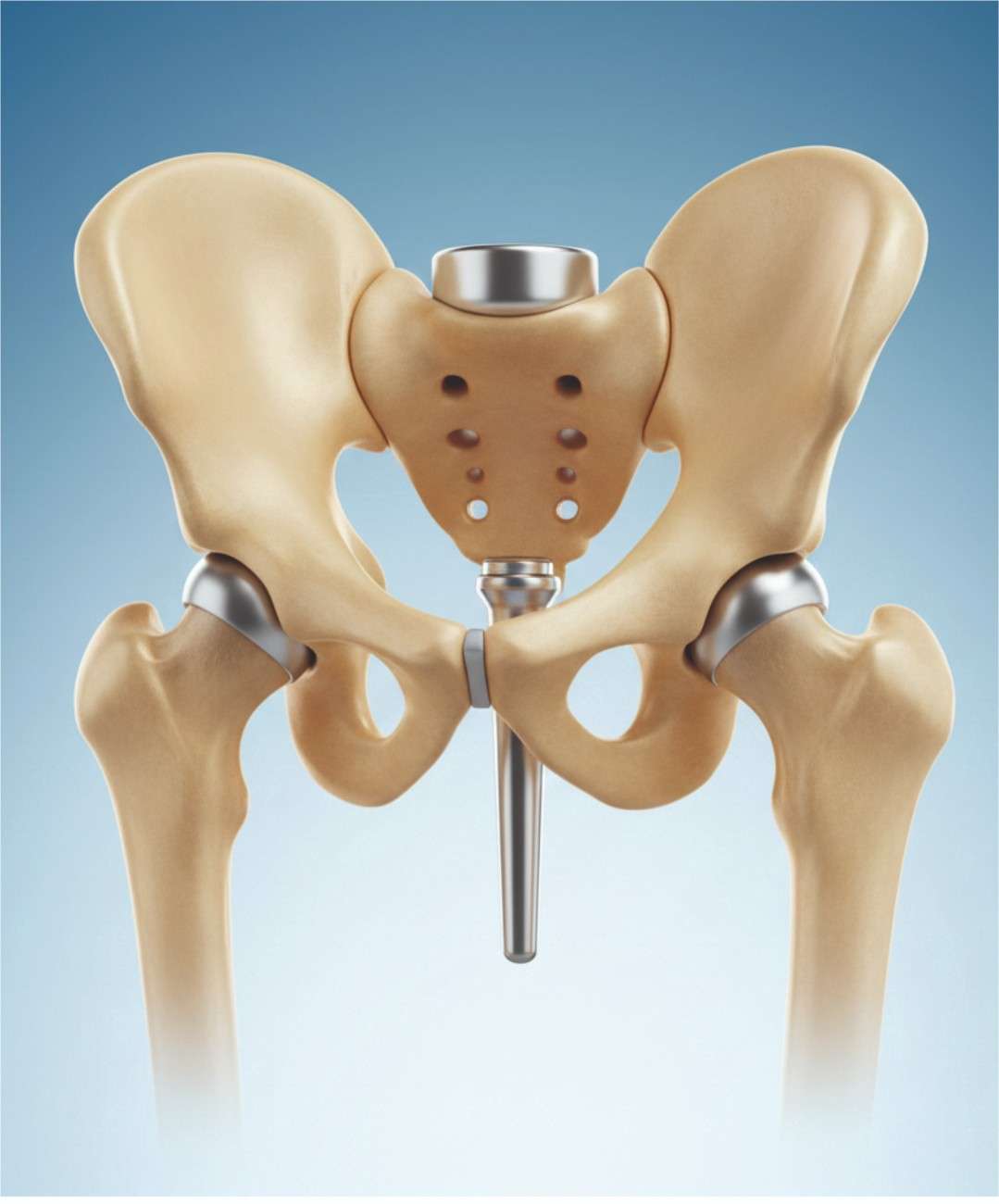
Total Hip Arthroplasty, commonly known as Total Hip Replacement, is recommended for patients suffering from severe hip joint damage that causes persistent pain, stiffness, and difficulty in walking or performing routine activities. One of the most common indications is Avascular Necrosis (AVN) of the femoral head, a condition where the blood supply to the hip bone is disrupted, leading to bone collapse and progressive joint damage.
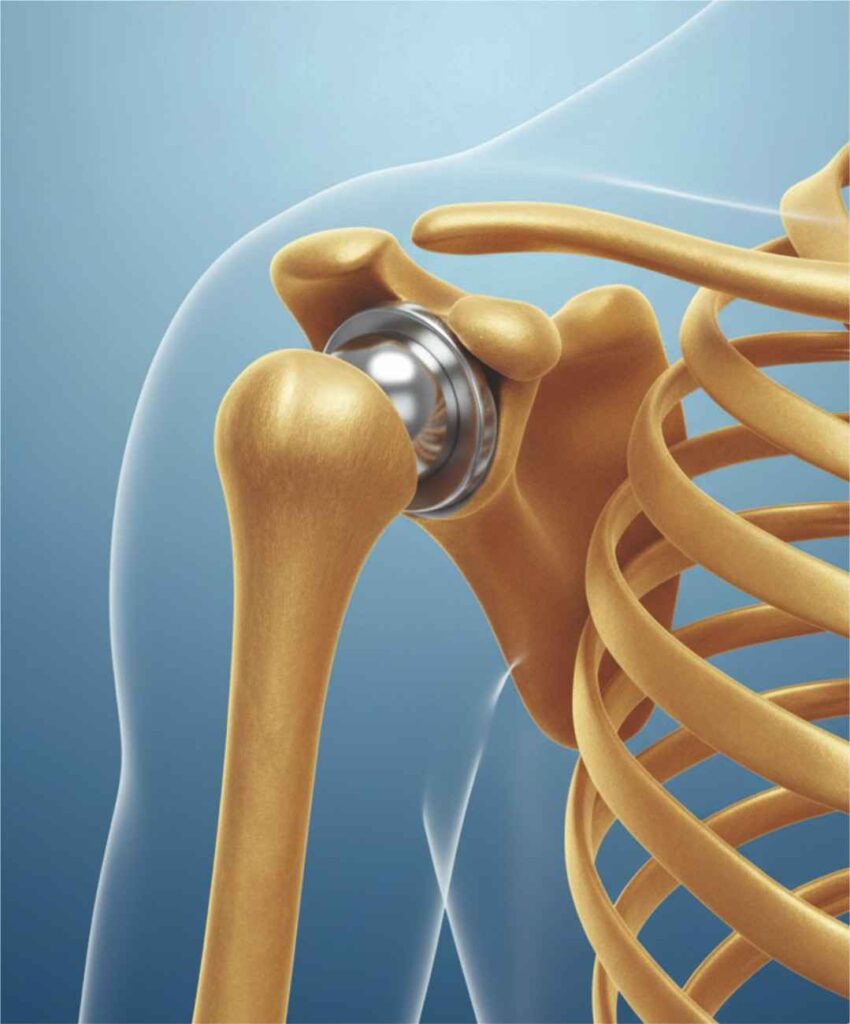
Total Shoulder Arthroplasty (Shoulder Replacement Surgery) is recommended for patients with severe shoulder joint damage that leads to persistent pain, stiffness, and significant restriction in daily activities. The most common indication is advanced osteoarthritis, where the smooth cartilage covering the joint surfaces gradually wears away, resulting in painful bone-on-bone contact.
Other conditions that may require shoulder replacement include rheumatoid arthritis, which causes chronic inflammation and joint destruction, rotator cuff arthropathy associated with large tendon tears,
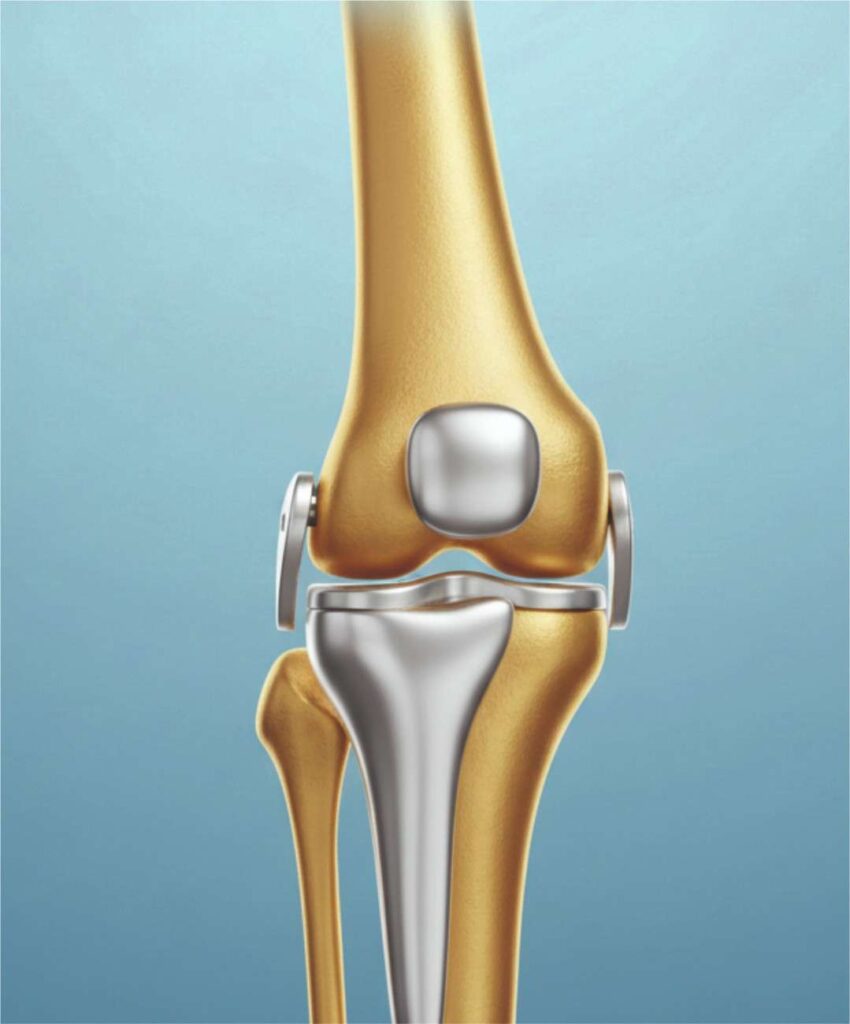
Total Knee Arthroplasty (TKA), commonly known as Total Knee Replacement, is recommended for patients suffering from severe knee joint damage that significantly limits daily activities and causes persistent pain. The most common indication is end-stage osteoarthritis, where the protective cartilage within the knee joint wears away over time, leading to bone-on-bone friction. Other conditions that may require this procedure include rheumatoid arthritis, which causes chronic inflammation of the joint lining, and post-traumatic arthritis that develops after fractures or ligament injuries around the knee.
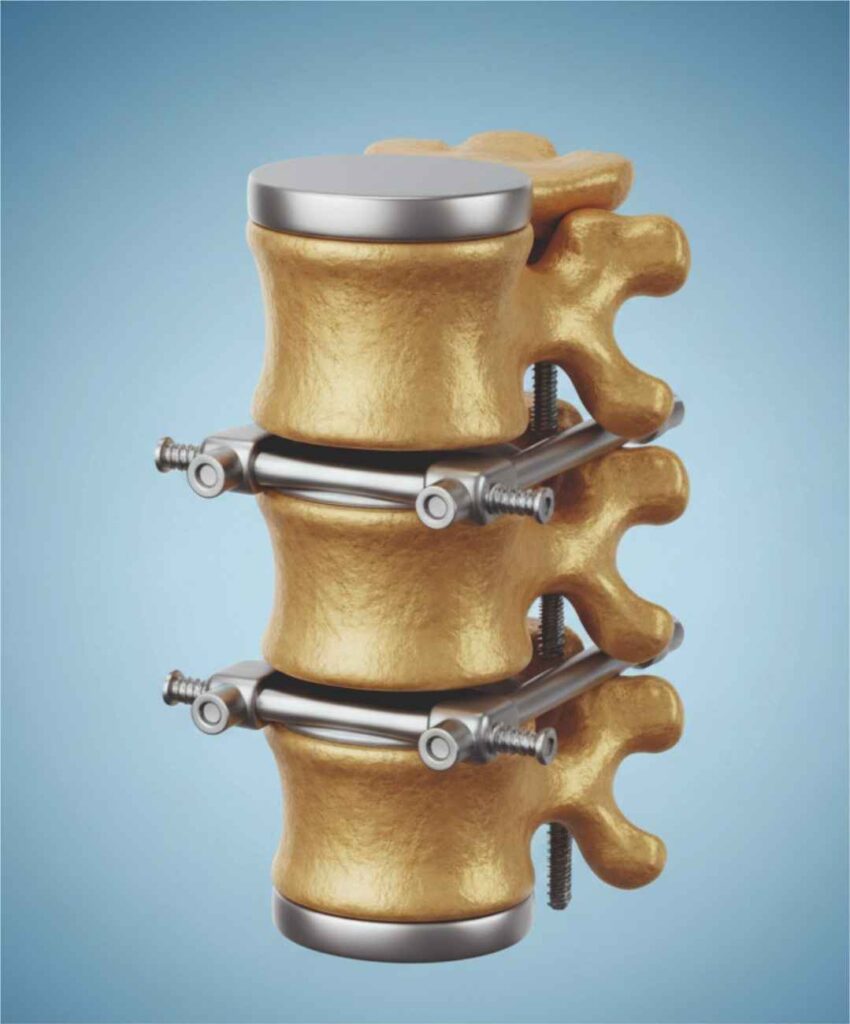
Spine surgery is indicated in patients with persistent back or neck pain associated with nerve compression, instability, or deformity. Common conditions include herniated disc, spinal stenosis, spondylolisthesis, fractures, and degenerative disc disease. Surgery is considered when conservative management fails or when neurological deficits like weakness or numbness progress.
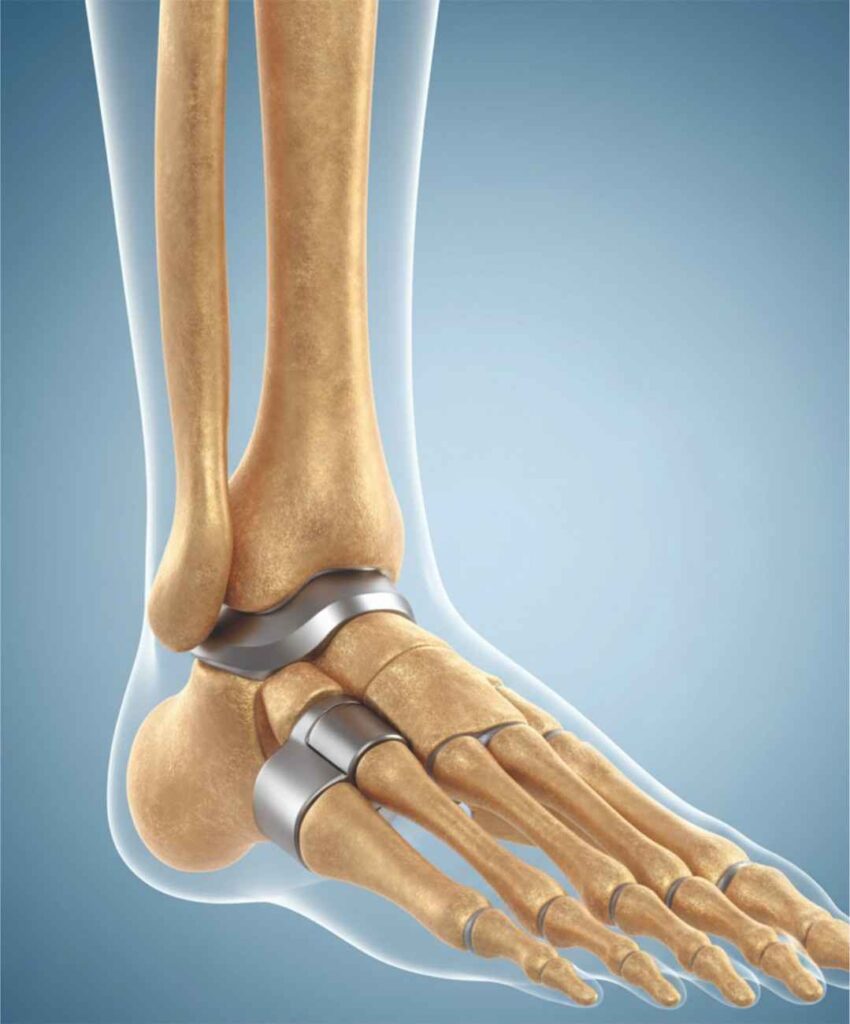
Total Ankle Arthroplasty (TAA), commonly known as ankle replacement surgery, is recommended for patients suffering from advanced ankle joint arthritis involving the talocrural joint. The most common indication is end-stage osteoarthritis, where the cartilage between the tibia and talus wears out, leading to persistent pain, stiffness, and difficulty in walking.
It may also be indicated in cases of rheumatoid arthritis,
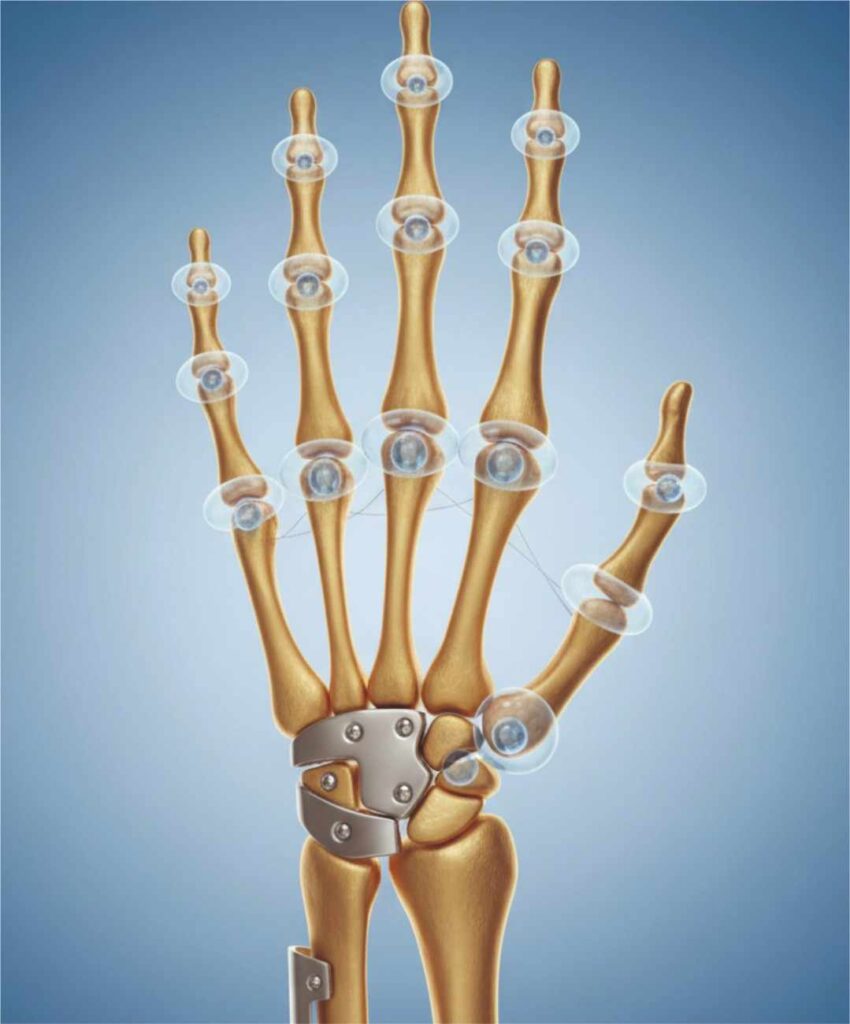
Carpal Tunnel Release surgery is recommended for patients with clinically significant carpal tunnel syndrome caused by compression of the median nerve at the wrist. Common symptoms include numbness, tingling, burning sensation in the thumb, index, and middle fingers, along with hand weakness and difficulty in gripping objects.
Diagnosis is usually confirmed with nerve conduction studies (NCS) or electromyography (EMG), which help assess the severity of nerve compression.
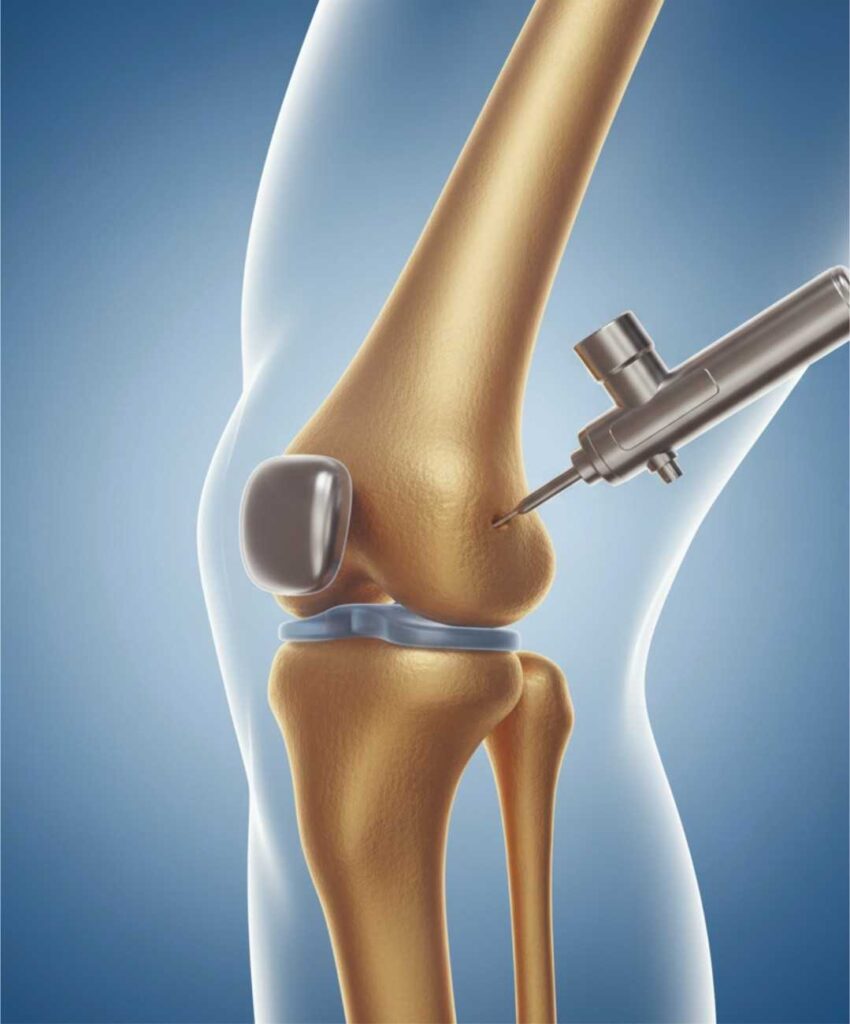
Anterior Cruciate Ligament (ACL) reconstruction is recommended for patients experiencing functional instability of the knee, commonly described as a “giving way” sensation during walking, turning, or pivoting movements. It is particularly important for young, active individuals and athletes who wish to return to sports that involve sudden direction changes such as football, cricket, or basketball.
ACL injury often occurs due to twisting trauma, sports injuries, or accidents.
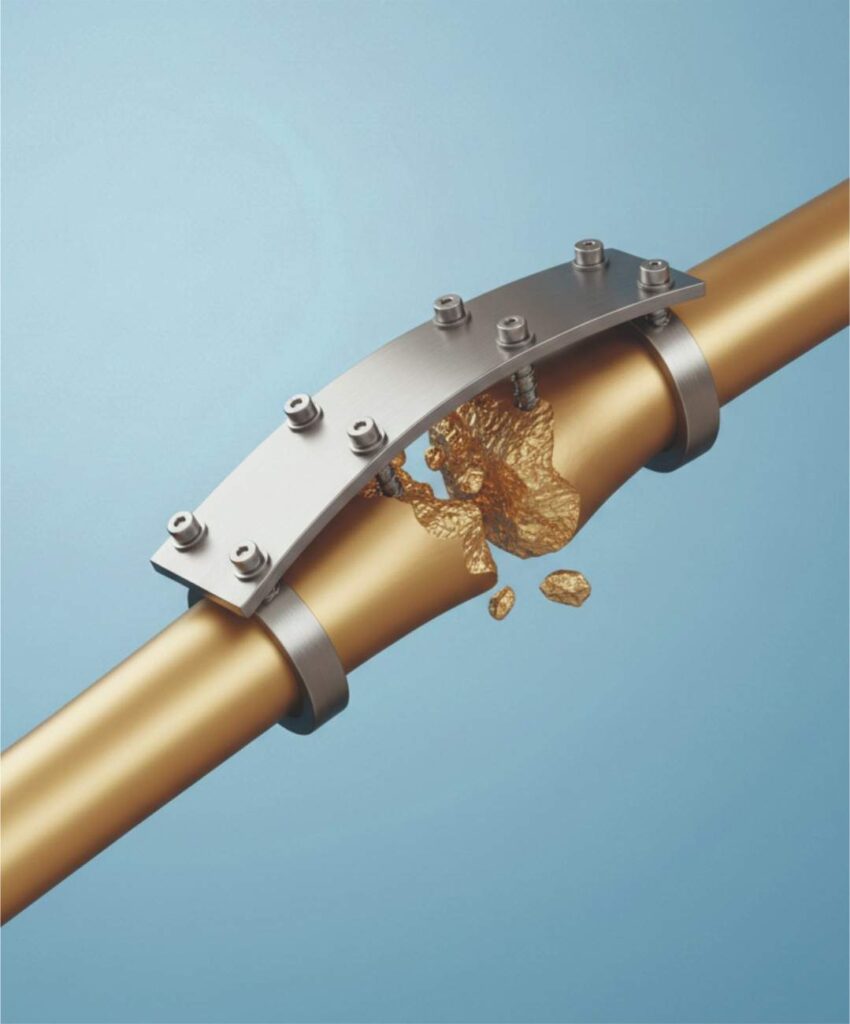
Intramedullary (IM) Nailing of Long Bones
Indications:
Intramedullary (IM) nailing is a widely used surgical technique for the management of fractures involving the shaft (diaphysis) of long bones such as the femur, tibia, and humerus. These fractures are commonly seen following road traffic accidents, falls, or high-impact injuries.
Frequently Asked Questions (FAQ)
1. General Surgery
Do I really need surgery?
Surgery is often a last resort. We typically explore non-surgical options first, such as physical therapy, corticosteroid injections, or lifestyle modifications. Surgery is recommended only when these treatments fail to provide relief or when structural damage requires immediate repair.
How long will the surgery take?
The duration depends on the complexity of the procedure. For example, a standard arthroscopic knee surgery may take 45–90 minutes, while a total joint replacement typically takes 1.5–3 hours.
2. Preparation & Safety
When should I stop eating before surgery?
Standard protocol is “NPO” (nothing by mouth) after midnight the night before your procedure. This includes water, gum, and mints, to ensure your safety during anesthesia.
What medications should I stop taking?
You should generally stop blood thinners, anti-inflammatories (like Aspirin or Ibuprofen), and certain herbal supplements 7–10 days prior to surgery. We will provide a specific list during your pre-operative consultation.
3. Recovery & Rehabilitation
Will I need physical therapy?
In most cases, yes. Physical therapy (PT) is a critical component of a successful surgical outcome. It helps restore range of motion, strengthens supporting muscles, and ensures the joint heals correctly.
How soon can I drive after surgery?
This depends on which limb was operated on and whether you are still taking prescription pain medication. Generally, patients can return to driving within 2–6 weeks, but Dr. [Your Last Name] must clear you first.
When can I return to work?
Sedentary (desk) jobs may only require 1–2 weeks off. For physically demanding jobs involving lifting or standing, you may need 6–12 weeks of recovery time.
4. Pain Management
How much pain should I expect?
Post-operative discomfort is normal. We use a multi-modal pain management approach, which may include nerve blocks during surgery, scheduled non-opioid medications, and icing (cryotherapy) to keep you comfortable.
Am I a Candidate?"
Not every patient is a candidate for robotic or minimally invasive surgery (e.g., cases of severe deformity or previous complex hardware). I recommend adding a “Candidacy Checklist” or a call-to-action: “Schedule a consultation to see if robotic-assisted surgery is the right choice for your anatomy.”
What Our Patients Say
Patient Testimonials
Stories of care, trust, and healing—shared from every corner, reflecting the difference we’ve made.